Trending

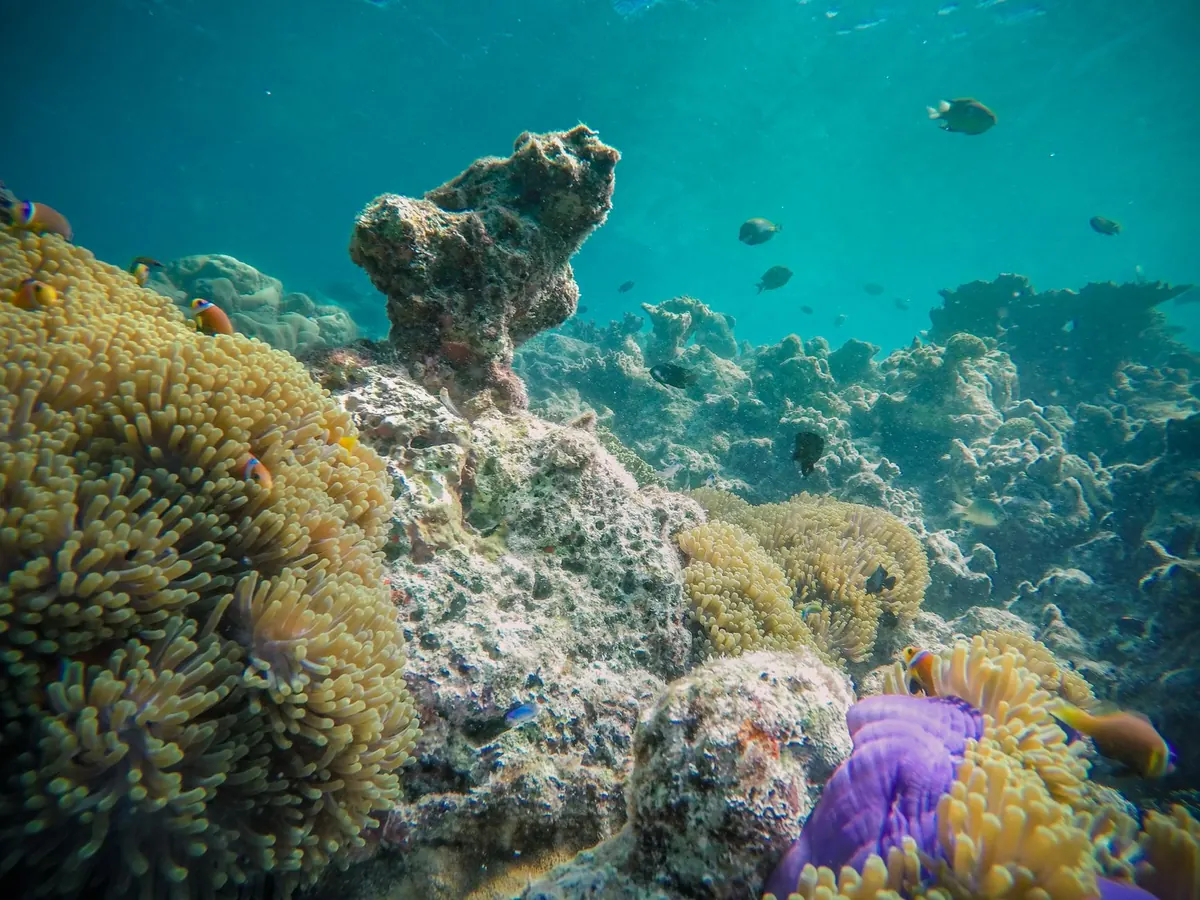
Your first reef tank has cycled, ammonia and nitrite are reading zero, and the rock is starting to colour up. Now comes the enjoyable part: choosing what actually lives in there. Pick badly and you will spend a month watching something slowly shrink. Pick from the ten below and you can relax a little while you learn.
These are the corals most experienced UK reefers would hand to a beginner without wincing. They forgive small swings in temperature and salinity, manage under modest lighting, and tolerate the occasional lapse in maintenance. They are not indestructible, so get the basics right first: salinity near 35 ppt, a steady temperature in the mid-20s Celsius, and water mixed from RO rather than tap.
Before the list, it helps to know what you are looking for. The corals below tend to share most of these traits:
Soft corals have no stony skeleton, which means they bend rather than break and generally care less about water chemistry than anything else in the hobby.
A purple mat studded with bright green polyps that spreads across rockwork within months. That speed is the catch: keep it on an isolated rock with a sand gap around it, or it will smother its neighbours. Light: moderate. Flow: moderate. Feeding: none needed.
Rubbery discs that cope with low light and higher nutrients than most. Place them low or on the sand bed; under strong light they shrink, detach and drift. Light: low to moderate. Flow: low to moderate. Feeding: not required, though they will take fine food.
A stalk with a broad cap that can reach 20 cm across in time. Its best quality is that it sulks rather than dies: a closed, waxy-looking toadstool is usually shedding a layer, not perishing. Light: moderate. Flow: moderate. Feeding: not needed.
Small polyps in almost any colour you can name. Handle them with gloves and eye protection, and frag them outside the display tank — many carry palytoxin, which is not something to be casual about. Light: low to moderate. Flow: moderate. Feeding: occasional fine food.
Large-polyp stony corals build skeletons, so they use more calcium and alkalinity than softies. In exchange, they are among the most rewarding corals to feed.
Trumpet-shaped heads that grow into a fat, fleshy colony. One of the few LPS that will happily sit on the sand bed rather than on rock. Light: low to moderate. Flow: gentle. Feeding: target feed mysis once or twice a week and it grows steadily.
Branching, quick-growing and greedy in the nicest way. New heads appear around the base within a few months of regular feeding. Light: moderate. Flow: gentle to moderate. Feeding: mysis or small pellets two or three times a week.
Hardy, popular and forgiving, but give them 10–15 cm of clear water. Their sweeper tentacles extend at night and will sting anything within reach. Light: moderate. Flow: gentle to moderate, never a direct blast. Feeding: optional; they do well without.
Deep reds and greens for shaded corners of the tank. Slow to grow, but close to unkillable once settled. Light: low. Flow: low. Feeding: a small piece of mysis once a week.
Stony corals with small polyps are less forgiving, so treat these as a second stage rather than a first purchase. Wait until the tank is around six months old and your alkalinity reading is boringly consistent.
The sensible first SPS. Both the plating and branching forms are adaptable and show growth you can measure. Light: moderate to high. Flow: strong and random. Feeding: not required, but keep calcium, alkalinity and magnesium stable.
Branching, fast-growing and more tolerant of nutrients than most small-polyp corals. When it is happy it drops small colonies around the tank, so keep an eye on where it settles. Light: moderate to high. Flow: strong and random. Feeding: none.
You do not need to memorise PAR figures to keep these corals. Watch them instead, and change one thing at a time.