Trending

A reef tank is a small piece of the ocean in a British living room, and it changes how you see the sea. The flip side is that the hobby draws on wild reefs for livestock, rock and sand, and burns electricity while doing it. None of that has to mean guilt. It means your choices carry weight — and most of the useful ones are cheaper, easier and closer to home than you would expect. Here is a practical checklist for UK aquarists who want their tanks to do more good than harm.
Before you fall for a coral's colour under shop lighting, ask where it came from. Aquacultured fragments, grown in a tank, a nursery or a farm, take pressure off wild reefs and usually settle into aquarium life more reliably than wild-collected pieces. Plenty of shops label stock clearly; the good ones will tell you the origin without hesitating.
Ask, every time:
If a retailer cannot answer, that tells you something. Avoid impulse buys of wild hard corals, and be wary of very cheap "rare" pieces with no paperwork trail. For anything covered by CITES, the shop should be able to explain the permits behind the shipment. In the UK, specialist shops such as AAC, Charterhouse and Kraken Corals often label stock well, but the onus is still on you to ask. A coral with a clear history is worth more than a bargain with a mystery behind it.
Every frag swapped, every captive-bred fish bought, every watt saved is a small vote for the ocean you want to keep.
Some of the best conservation work in the hobby happens in car parks and kitchens. Local reef clubs, regional forums and Facebook groups are full of people trading frags for the price of a coffee, and every frag you give away is one fewer coral collected, shipped and sold.
Do it properly and it protects your tank, too:
Hygiene is conservation. Pests and disease wipe out collections, and every wipeout sends aquarists back to the shop for replacements. Keeping a coral bank going in your own tank, or in your club, is a genuinely useful contribution. A frag swap is also a chance to see how other people run their tanks, and to pick up tips on lighting, flow and pest control that no shop assistant can give you.
Reef keeping is energy-hungry. Heaters, return pumps, wavemakers, skimmers and lights can run around the clock, and in a British climate the heater does most of the work. Cutting waste here is dull, which is exactly why it works.
If you are weighing up solar panels or a tariff switch to offset the load, treat it as a household financial decision and get proper advice before signing anything. If you have a smart meter, check what your tank costs per day — many UK aquarists find that a DC return pump and a more efficient skimmer pay for themselves within a couple of years.
Citizen science is one of the few things you can do from a sofa or a dive boat that bears directly on reef conservation.
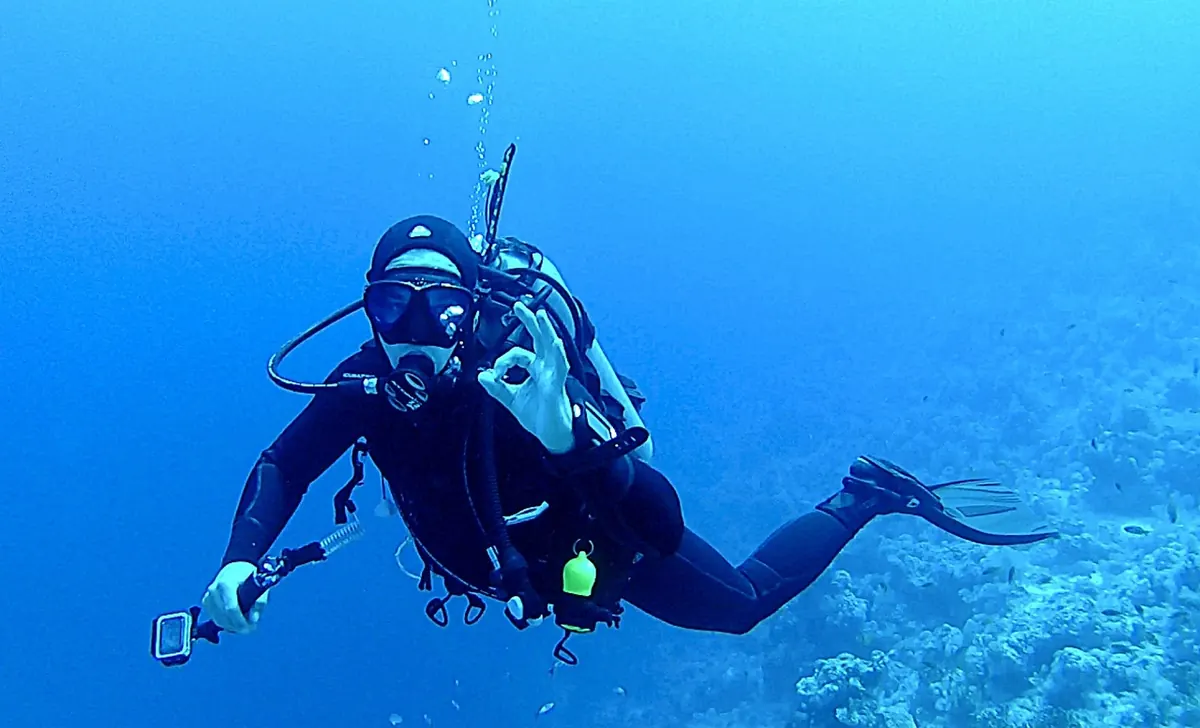
If you dive abroad, CoralWatch colour charts let you record coral bleaching on real reefs and submit the results to a monitoring programme. If you dive in the UK, Seasearch trains volunteer divers to record what they see, from sea fans to cup corals and other cnidarians that are relatives of tropical reef species. Even if you never dive, you can log the growth, colour and spawning behaviour of your own corals in a notebook or a reefkeeping app, and share that data with groups like CoralWatch or your local club. Over time, these records build a picture of how corals respond to changing conditions — and that is exactly what conservation scientists need.
Wild-caught marine fish often endure stressful collection and transport, and some are taken using cyanide or other destructive methods. Captive-bred alternatives are now widely available in the UK for species like clownfish, cardinals, gobies, blennies and many shrimps and snails. They are hardier, eat prepared foods and do not touch the reef. Ask your shop for tank-bred stock, and be prepared to wait for a special order. The same goes for live rock: aquacultured rock or ceramic alternatives avoid stripping reef habitat. Every captive-bred fish you buy is one less reason for a collector to go to the reef.
You do not have to go to Indonesia to help. UK-based charities like the Marine Conservation Society, Reef-World Foundation and Just One Ocean work on coral and marine protection, and international groups such as the Coral Restoration Foundation and Reef Check welcome donations. Some shops run round-up schemes or donate a percentage of sales. You can also adopt a coral through programmes like Coral Guardian, which funds nursery-grown transplants in places like Indonesia. It is a small monthly cost that goes directly to reef work. If you are a member of a reef club, consider holding a raffle or frag auction for a reef charity — it turns a hobby gathering into a fundraiser.
Water changes send nutrients, salt and sometimes medications down the drain. On a UK water meter, that waste costs you twice: once for the water and once for the sewage. Reuse RO reject water on the garden or for washing down patios. Never pour tank water into a storm drain or a natural watercourse, as non-native species and pathogens can escape. Dispose of old filter media, carbon and skimmate in the bin, not the sink. And if you use medications, follow the instructions for disposal — copper-based treatments are toxic to aquatic life. Small habits add up: a bucket of waste water on the roses is better than a flush down the loo.
Your tank is a conversation starter. When friends and family ask about the colours, tell them where the corals came from and why wild reefs are under pressure. Share your frag-swapping successes online, and support campaigns for marine protected areas and stricter trade rules. In the UK, you can write to your MP about sustainable fisheries and ocean plastics, or sign petitions from groups like Greenpeace and the Marine Conservation Society. Advocacy is free and can have a bigger impact than any equipment upgrade. You do not need to be an expert — you just need to show that reef keepers care about the wild places their hobby depends on.
No one keeps a reef alone for long. UK clubs like the Scottish Reef Club, North East Reef Club and the Reef Solution forum connect aquarists for frag swaps, group buys and problem-solving. Being part of a community keeps you honest about provenance and pest control, and it means when you break down a tank, your corals find new homes instead of the bin. Mentoring a newcomer is conservation too: a well-supported beginner is less likely to give up and more likely to keep a healthy, long-term system. The more people who succeed with captive-grown corals, the less demand there is for wild ones.
Where you spend your money shapes the trade. Shops that quarantine livestock, label origin and refuse wild hard corals are doing the right thing, and they need your custom. Ask questions, leave reviews that mention ethical sourcing, and be willing to pay a little more for a captive-bred fish or a farmed frag. If a retailer cannot tell you where a coral came from, walk away. The same applies online: avoid auction sites and social media sellers with no paperwork or biosecurity practices. When you find a shop that does it properly, tell them why you are loyal — and tell other aquarists too. Good retailers deserve to thrive.
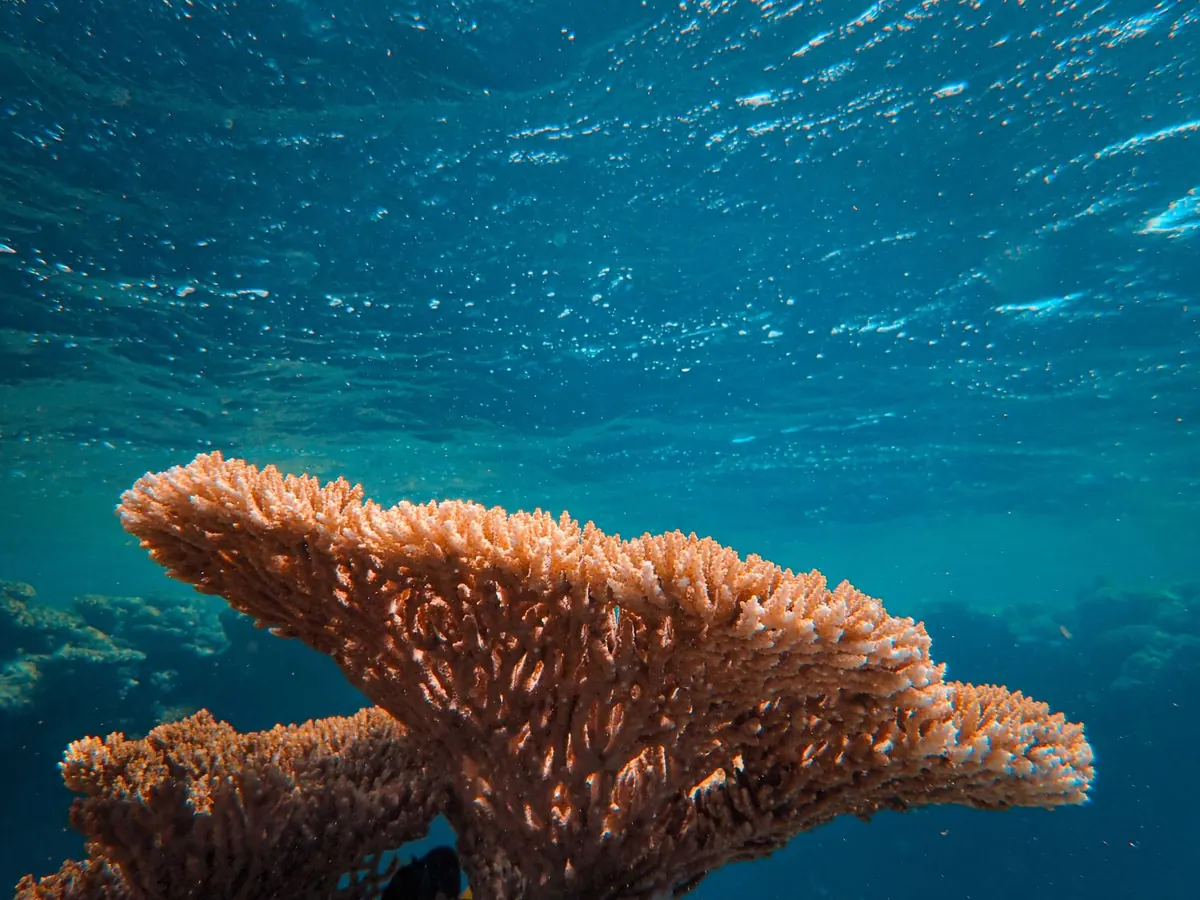
Photo: Francesco Ungaro / Pexels